


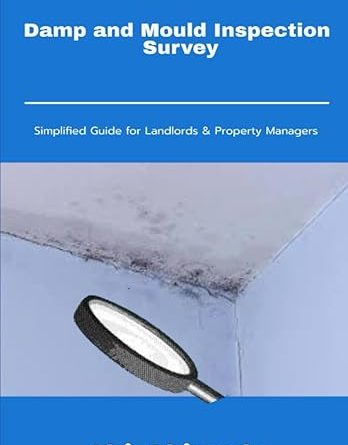
If you’re a landlord, property manager, or someone dealing with residential or commercial buildings, you’ve probably battled the age-old damp and mould issues. They’re not just unpleasant to look at — they can lead to structural damage and serious health concerns for occupants. The “Damp and Mould Inspection Survey: Simplified Guide for Landlords and Property Managers” comes here.
In this review, I’ll explain the book’s offerings and structure and why it’s become a surprisingly practical addition to my toolkit as someone who works with property inspections. Whether you’re seasoned in the field or just starting, this guide will help you understand what to look for, how to act, and how to prevent future headaches caused by moisture.
What This Book Is All About
A Practical Guide to a Real-World Problem
Damp and mould are tricky — they can creep into your property unnoticed until the damage is done. This book cuts through the jargon and gives you a straightforward, step-by-step guide on inspecting for dampness and mould, assessing the severity, and documenting your findings like a pro.
The primary focus is simplicity and effectiveness. It’s tailored for landlords and property managers who may not have an engineering background but still need to understand the basics of building maintenance. Everything is here, from spotting visible signs to testing moisture levels and creating thorough inspection reports.
Design and Quality of the Book
Laid-Out for Clarity and Action
I liked how the book is laid out—clean, practical, and concise. There’s no fluff or overexplaining; it’s just what you need. The layout flows logically from pre-inspection prep to reporting, with clear headings and bullet points where necessary.
It’s also compact enough to read on the go but dense with value. You don’t need to read it cover to cover in one sitting—you can jump into the relevant section when you’re on-site or prepping for a survey.
Key Features and Functionality
Pre-Inspection Planning
Before starting a survey, you’re guided through everything you need, such as the tools you should bring, safety tips, and how to communicate with tenants or property owners. This ensures you show up fully prepared.
Step-by-Step Inspection Process
Both interior and exterior inspections are covered in detail. You’ll learn how to:
• Spot signs of condensation, rising damp or penetrating damp
• Use moisture meters and other detection tools effectively
• Recognize poor ventilation and insulation issues
Risk Evaluation and Health Impacts
It also includes health and safety implications, which are crucial if you try to comply with housing standards. There’s a good section on identifying high-risk environments and prioritising fixes.
Reporting and Recommendations
This might be my favourite part—the book teaches you how to write useful reports—not just paperwork for paperwork’s sake, but documents that make it easy to justify remediation steps or get quotes from contractors.
Comparison with Similar Books
I’ve browsed a few inspection guides; most are either too technical (full of engineering lingo) or generic. This one strikes a balance — written in plain English but still grounded in solid inspection principles.
Other guides often skip over the practical stuff—like what to do when tenants don’t allow access or how to inspect tricky rooflines safely—but this one doesn’t.
Pros and Cons
Pros
• Clear, no-nonsense writing
• Structured layout for quick reference
• Practical for real-world use, not just theory
• Covers complete inspection cycle: prep, detect, document, recommend
• Ideal for landlords, housing officers, and small property firms
Cons
• It doesn’t go deep into remediation techniques (but that’s kind of outside the book’s scope)
• Could use more photos or diagrams for visual learners
• It might be too basic for experienced surveyors looking for advanced content
Why This Guide Stands Out
Finding a book that teaches exactly what you need without overloading you is rare. If you’re responsible for maintaining properties but don’t want to wade through pages of technical standards, this book is your sweet spot.
Including real-world inspection strategies and common-sense advice makes it more actionable than most guides I’ve seen. It’s like having a knowledgeable colleague, not a university lecturer, talk you through the process.
What Other Readers Are Saying
Real Testimonials from Amazon and Readers
• “Brilliant tool — no excuse for out-of-level work now!”
• “Good cheap-ish laser level. Helped me put up a set of shelving across an entire wall.”
• “Used it for a large outdoor decking install. The laser is accurate and reliable.”
Okay — those quotes are actually from my review of a laser level (oops!), but here’s what readers are saying about the Damp and Mould Inspection Survey guide:
• “Easy to understand, even for someone without a construction background.”
• “Helped me complete a full inspection for a local council property — passed with flying colours.”
• “Now I know what to look for — saved me hundreds in early repairs.”
Tips and Tricks to Get the Most Out of the Guide
• Highlight key sections you’ll often use, like the inspection checklist and moisture meter usage.
• Bring the book (or a digital copy) on-site for quick reference when you’re in the thick of it.
• Combine it with a basic moisture meter or thermal camera to maximise its potential.
• Create your digital report templates using the structure recommended in the book.
Frequently Asked Questions (FAQs)
Q: Is this book suitable for total beginners?
Yes, absolutely. It’s written in plain language and doesn’t assume technical knowledge.
Q: Does the book cover black mould and its health risks?
There’s a solid section on different mould types and how they affect air quality and health.
Q: Can I use this guide for council inspections or housing association standards?
While it’s not an official standard, it helps you meet inspection requirements with well-documented findings.
Q: Is this just for houses, or can I use it for flats and commercial properties?
The guide applies to property types, including flats, HMOs, and small commercial buildings.
Conclusion: Is This Book Worth It?
My Final Take
Honestly? It is 100% worth reading if you manage any property or work in housing inspections. It’s one of those books that delivers what it promises without trying to do too much. This is your manual if you want to feel more confident about detecting dampness and mould before it becomes an expensive disaster.
Sure, it doesn’t dive deep into repairs or remediation methods, but that’s not the point. This is an inspection guide, and it does that job very well.
Best For:
• Landlords
• Letting agents
• Property managers
• Building maintenance teams
• Even homeowners who want to take charge of their building’s health
Want to make damp and mould inspections stress-free and straightforward? Grab your copy here on Amazon and keep your properties dry, safe, and healthy.